Memoirs are unique because they provide a peek into someone’s life in a personal and profound way. I love learning about people’s life experiences, in both the ways they are different from and similar to mine. I believe that putting ourselves in someone else’s shoes helps us have more empathy and a greater understanding of the world.
One of the first memoirs that got me hooked on this type of nonfiction was Malala Yousafzai’s I am Malala: The Girl Who Stood up for Education and Was Shot by the Taliban. I was captivated by her honesty, bravery, and talent for storytelling. I’ve been a memoir enthusiast ever since!
Here’s what you need to know to jump right into memoirs.
A Brief History of Memoirs
Memoirs have existed in some form for as long as humans have been able to communicate. Early memoirs may have taken the shape of music, poetry, or oral histories shared from town to town by traveling memoirists. Throughout history, they have been an excellent way to understand the lives of others.
Sometimes confused with biographies and autobiographies, memoirs have some important distinctions:
- They typically cover a specific era or aspect of someone’s life, rather than a full life story.
- They are personal and reflective in tone.
- They are published by the individual, rather than a biographer.
There can be some crossover: for example, the classic The Diary of a Young Girl by Anne Frank could be considered both an autobiography and a memoir.
Another classic that has endured the test of time, Maya Angelou’s I Know Why the Caged Bird Sings, also remains popular more than 50 years after publication. So what makes a memoir exceptional?
The Appeal of Memoirs
A frequent theme in memoirs is facing adversity. Memoirs often reflect on difficult, yet relatable experiences such as trauma, loss, and grief. I personally find the vulnerability and candor of memoirs to be quite moving, especially when the author is truly putting their honest self out there. It’s not all serious, though: humor is another appeal factor, and some readers are here for the laughs!
Readers also enjoy memoirs because the author’s interests, careers, or hobbies align with their own. Common topics include travel, food, music, and sports. Whatever you’re passionate about, there’s likely a memoir out there about it.
I asked a few of my colleagues why they enjoy this genre. Here’s what they said:
“I love seeing the way someone chooses to tell the story of their life, what they chose to zero in on, and what feels important to share.” --Hannah
“I enjoy memoirs because you get a chance to see how someone became who and what they are: their upbringing, the challenges they faced, their mindset, thought processes, etc.” --Paul
“I think for me, it's the sense of the everyday--even if I am reading about someone famous, I like memoirs that kind of make something feel like it's just normal day-to-day events that could happen to anyone. I like when it's less dealing with grand events and more the 'this is just like me'." --Vinny
Memoirs Shape How We See a Person–Good and Bad
Sometimes we leave a memoir feeling differently about the author than we did when we began. My colleagues’ experiences show how our reactions can be all over the board.
“When I read memoirs about people I really didn't know much about beforehand, I have a much deeper appreciation for them.” --Hannah
“I don't want to name names, but there are a couple of musician memoirs that really put me off of the artist because they came across as so shallow. If you aren't willing to actually look in the mirror and consider your choices through the lens of later wisdom, then no thank you.” --Jane
“I have ended up respecting some people less because of their refusal for honesty in their experience, wanting to serve up a story instead.” --Audrey
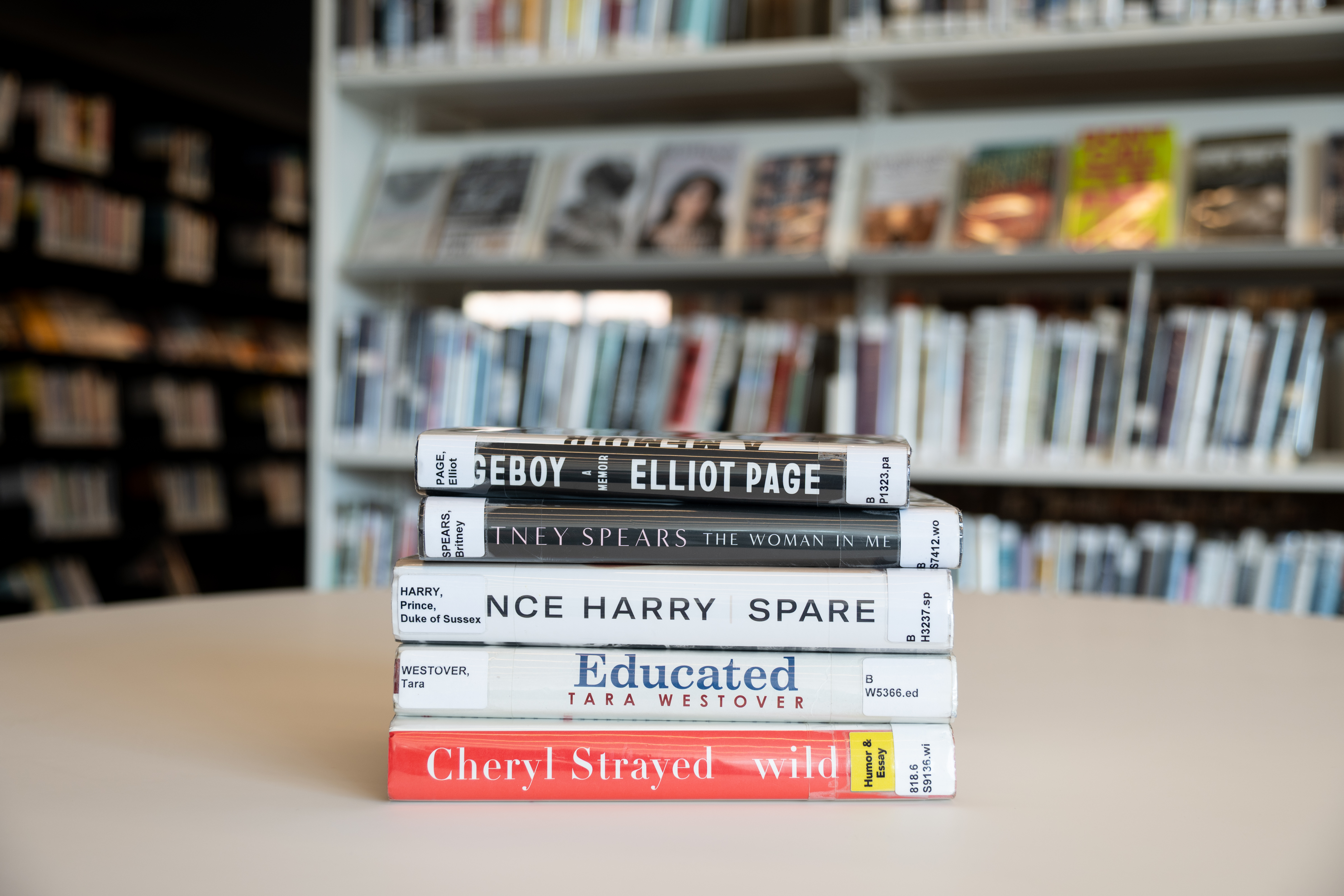
I have often found myself following an author more closely after reading their story. For example, after devouring Cheryl Strayed’s 2012 bestseller Wild: From Lost to Found on the Pacific Crest Trail, I began digging into her other books, following her on social media, and listening to her podcast. Her story affected me so positively that I kept wanting more.
Memoirs and Scandal
There have been plenty of scandals in the memoir world.
It’s common for people close to the author to claim their story contains inaccuracies, as was the case with Frank McCourt’s 1996 Pulitzer Prize-winning Angela’s Ashes. Because a memoir represents only one person’s experience, it's possible that others may remember the experience differently. This doesn’t necessarily make the memoir untrue, but it does reflect the complications of human memory.
In other cases, it has been established that an author knowingly lied. Some may remember an Oprah’s Book Club pick from 2003 that was wildly popular, until it was discovered that the author had fabricated quite a few details about his life story. Many readers felt deceived, and the backlash was intense.
Ghostwriting can be a controversial topic as well. Some authors opt to collaborate with a writer who puts their story into words for them. And the truth is: it’s a lot more common than you think. Some popular memoirs with ghostwriter credits include The Woman in Me by Britney Spears and Spare by Prince Harry. While some feel that ghostwriting is cheating, it is generally accepted as a way to help people tell their story with clarity.
Breaking Down Categories and Formats
Some readers have a preference for memoirs about people with a specific background. We can loosely sort these into celebrity memoirs and memoirs of everyday people (or the nonfamous). Of course, many memoirists later found fame as a result of their book’s success.
Format is important to many readers as well. Some prefer to read the physical text of the book, while others prefer to listen to the audio. Graphic memoirs are popular among those who enjoy the incorporation of artwork into the story.
Let’s break down some of our favorite categories and formats, why they appeal to us, and some suggestions to get you started.
Celebrity Memoirs
If you’re fascinated by the lives of celebrities, you’re not alone. This is one of the most popular types of memoir, and many of us simply can’t get enough of the details of celebrities’ enigmatic lives.
Amy G. is a fan of celebrity memoirs, saying, “I really like a writer, director, musician, or author's memoir. First, they already know how to tell a story, and second, they're less likely to write a memoir when they don't have anything specific to say about their lives.”
Some of our favorite celebrity memoirs include:
- Becoming by Michelle Obama
- Crying in H Mart by Michelle Zauner
- Pageboy by Elliot Page
- Proud: My Fight for an Unlikely American Dream by Ibtihaj Muhammad
Everyday People (aka Not Famous People)
As exciting as celebrity memoirs are, stories of the nonfamous can be just as compelling.
Holly says, “I enjoy learning about the way the world works through someone's personal experience. People with experiences you don't hear about every day.”
Some of our favorite memoirs by (extraordinary) everyday people include:
- Educated by Tara Westover
- How to Say Babylon by Safiya Sinclair
- Long Live the Tribe of Fatherless Girls by T Kira Madden
- Solito by Javier Zamora
Graphic Memoirs
This format is a combination of graphic novel and memoir. The inclusion of artwork in the story provides a unique opportunity for expression.
One of the first graphic memoirs I read was Fun Home: A Family Tragicomic by Alison Bechdel. I was completely drawn in (pun intended) by the way the author explores her identity and family history through artistic storytelling.
Some of our other favorite graphic memoirs include:
- Gender Queer by Maia Kobabe
- Persepolis by Marjan Satrapi
- The Talk by Darrin Bell
- They Called Us Enemy by George Takei
Audiobooks
Audiobooks are particularly popular with memoirs because there is something special about hearing someone’s story in their own voice.
Some library staff are audiobook superfans, saying:
“Hands down, 100% always audiobook! I cannot express this enough–a memoir is incredibly more powerful when you are listening to it being read by the person who lived it.” --Judy
“Whenever possible, if there's an audiobook read by the author, I strongly prefer to listen. That way I feel even more connected to the subject, and I'm sure I'm getting the most accurate interpretation of their words.” --Jane
Some of our favorite audiobooks narrated by the author include:
- Born a Crime: Stories from a South African Childhood by Trevor Noah
- Finding Me by Viola Davis
- There’s Always This Year: On Basketball and Ascension by Hanif Abdurraqib
- Yes Please by Amy Poehler
Ready to dive into some memoirs? Check out this list with some of our staff favorites.
